Best Pressure Cookers for Beginners (Stovetop and Electric, Tested)
In brief: The best pressure cooker for beginners is the Instant Pot Duo 7-in-1 (6 Qt) for most kitchens, because it removes every step where a new cook can get it wrong. If you want speed and don’t mind watching a burner, the Presto 01362 stainless stovetop model cooks faster and costs less. The rest of this guide is about which of those two camps you belong in.
As an Amazon Associate, I earn from qualifying purchases. This costs you nothing extra and helps fund the research behind these reviews.
A pressure cooker has an intimidating reputation it hasn’t deserved in decades, which keeps a lot of good cooks from ever buying one. It’s the appliance I recommend most often to people who say they don’t have time to cook. But the advice they usually get online skips the part that actually matters for a beginner: whether you should be buying an electric multicooker or a stovetop pot at all. Those two things cook the same food and are completely different tools to live with. So before I name a single pick, let’s settle that question — then I’ll get to the six pressure cookers I’d actually put in a beginner’s kitchen.
Stovetop vs. electric: which should your first pressure cooker be?
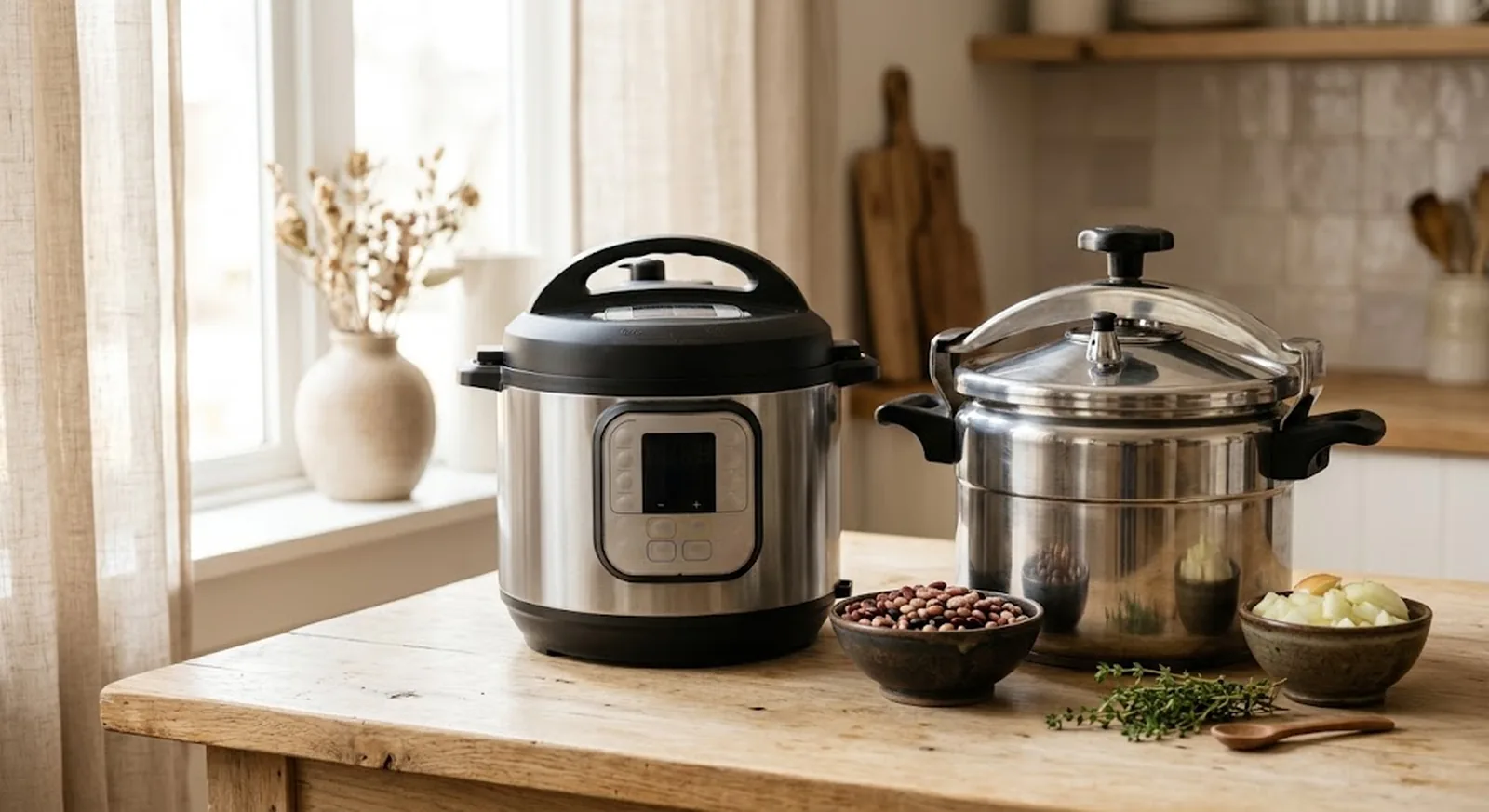
An electric pressure cooker is a countertop appliance with a heating element, a sensor, and a computer. You add ingredients, press a button, walk away, and it manages pressure for you. A stovetop pressure cooker is a heavy pot with a locking lid that sits on your burner, and you are the computer — you bring it up to pressure, then dial the heat back to hold it there.
The speed comparison you see in most roundups is misleading, and it’s the single most useful thing I can tell a first-time buyer. When a recipe says “chili in 15 minutes,” that’s 15 minutes of cook time at pressure — it doesn’t include the time the pot spends heating up before the timer even starts. On a stovetop cooker, that ramp-up is usually about five minutes over a hot burner. On an electric model, it’s commonly 10 to 15 minutes depending on how full and how cold the contents are, and then there’s the release time on the back end. A “15-minute” electric meal is realistically a 35- to 40-minute meal from lid-on to plate. That’s still very fast for braised short ribs. It’s just not what the box implies.
So the honest trade is this: stovetop is faster and gives you finer control; electric is slower and asks nothing of you. For a beginner, “asks nothing of you” is worth a lot more than five minutes.
| What matters to you | Stovetop | Electric |
|---|---|---|
| Time to reach pressure | ~5 minutes | ~10–15 minutes |
| Attention required | Adjust burner, stay nearby | Press a button, walk away |
| Also does other jobs | Works as a regular stockpot | Slow cook, rice, sauté, yogurt, steam |
| Searing before pressure | Excellent — real burner heat | Adequate — sauté mode runs cooler |
| Counter and storage space | Lives in a cabinet with your pots | Permanent counter or shelf resident |
| What breaks over time | Gasket (cheap, user-replaceable) | Gasket, plus electronics |
| Best for | Confident cooks, small kitchens, speed | Nervous beginners, busy weeknights, batch cooking |
My rule of thumb: if the reason you’re buying a pressure cooker is that you’re short on attention — you want dinner to happen while you help with homework — buy electric. If the reason is that you’re short on time and you already enjoy standing at the stove, buy stovetop. If you’re cross-shopping multicookers more broadly, our comparison of the Ninja and Instant Pot air fryer lids covers the versions that also crisp.
How we chose these pressure cookers
These six pots were chosen by cross-referencing thousands of verified-purchase buyer reviews for each model against spec sheets and price-tier comparisons across the stovetop and electric pressure cooker market. For every pot, we looked at the same signals: recurring complaints or praise about capacity and how evenly the pot heats, how the sauté or browning function performs according to owners who use it regularly, and how the come-to-pressure and release times compare across models — that gap is where beginner expectations break most often. We also weighted long-term owner reports about lid mechanisms and gaskets, since a lid that fights you on a Tuesday night is a lid you stop using by March.
What size pressure cooker do you actually need?
Almost every beginner buys too small or too big, and both mistakes trace back to one rule: a pressure cooker can never be filled more than two-thirds full, and only half full for anything that foams or swells — beans, grains, pasta, applesauce. That means a 6-quart pot is really a 4-quart pot most of the time, and a 3-quart pot is a 1.5-quart pot when you’re cooking lentils. Size the pot for the food, not the box.
| Household | Buy this size | Why |
|---|---|---|
| 1–2 people, no leftovers | 3 quart | Fits a small counter; heats fast; enough for two portions plus a little |
| 2–4 people, some batch cooking | 6 quart | The default for a reason — fits a 4 lb chicken and a full pound of dried beans |
| 5+ people, or serious meal prep | 8 quart or larger | Room for stock, big braises, and doubling a recipe without hitting the fill line |
If you live alone, don’t default to 6 quarts because the internet told you to — the 3-quart models heat up faster and take a third of the counter. I make the same argument in our guide to kitchen tools for one-person households.
Are pressure cookers safe? What changed since your grandmother’s
The stories your family tells about a pot on the ceiling come from a real era of cookware. Older jiggle-top designs relied almost entirely on the cook paying attention, and if the vent clogged, there was nothing else standing between the pot and a mess. Every model in this guide, electric or stovetop, has a lid that physically cannot be opened while there’s meaningful pressure inside, plus a secondary over-pressure path that vents before anything dramatic can happen.
What actually goes wrong for beginners is smaller and more boring than an explosion. Three things cause nearly all of it: overfilling past the max line, quick-releasing a pot full of something foamy so that starchy liquid sprays out of the valve, and a float valve gummed up with dried food so the lid doesn’t seal. All three are habits, not hardware. One genuine safety line worth knowing: a pressure cooker is not a pressure canner. Low-acid home canning needs a tested pressure canner that holds and measures a specific pressure — the USDA doesn’t recognize multicookers for that job, whatever the marketing on the box says.
The best pressure cookers for beginners at a glance
- Best overall for beginners: Instant Pot Duo 7-in-1, 6 Qt
- Best step-up electric: Instant Pot Pro 10-in-1, 6 Qt
- Best for one or two people: Instant Pot Duo Mini 7-in-1, 3 Qt
- Best budget stovetop: Presto 01362 6-Quart Stainless Steel
- Easiest stovetop lid: T-fal Clipso 6.3 Quart
- Best buy-it-for-life pick: Fissler Vitavit Premium 8.5 Quart
Instant Pot Duo 7-in-1, 6 Qt — Best Overall for Beginners

This is the one I hand to people who are nervous, and it’s still the model I reach for on a weeknight. The reason it works for beginners isn’t the seven functions — it’s that the interface refuses to let you improvise. You press a labelled button, it decides the pressure and holds it, and the lid stays locked until the float valve drops on its own. There is no burner to misjudge. With more than 170,000 ratings averaging 4.7 stars, it’s also the model every recipe writer on the internet has tested against, which matters more than you’d think: when a blog says “cook 22 minutes on high,” they almost certainly meant on this pot.
Reviewers consistently report no-soak pinto beans coming out creamy in about 40 minutes at pressure, and a whole 4-pound chicken fitting with room to spare. The stainless inner pot is worth calling out — it’s food-safe steel rather than a nonstick coating you’ll worry about scratching, and it goes in the dishwasher.
The honest con: the sauté function runs cooler than a real burner, so browning a batch of beef takes longer and never quite gets the crust a heavy skillet would. The lid also has nowhere to rest — you end up putting a wet, hot lid on the counter until you learn to hook it into the side handle.
Instant Pot Pro 10-in-1, 6 Qt — Best Step-Up Electric

The Pro is what the Duo becomes once someone has actually watched a beginner use one. The steam release is a switch on the lid handle instead of a valve you have to reach over and flick, which removes the single most intimidating moment in the whole process. The lid parks upright in the side handles, the inner pot has handles of its own so you can lift it out without a towel, and the sauté function runs hotter and in stages, which narrows the browning gap I complain about on the Duo. Sous vide is included if you ever want it.
If your hesitation about pressure cooking is specifically the venting step — the hissing, the plume, standing there with a spatula — this is the model that fixes it, and it’s the one I’d buy for a small kitchen where the pot lives on the counter and gets used constantly.
The honest con: you’re paying a real premium over the Duo for refinements a first-timer may not appreciate for a year, and its 4.5-star average across roughly 14,000 ratings sits slightly below the Duo’s — mostly on scattered reports of the display and control board failing outside the warranty window. If budget is tight, the Duo does the same cooking.
Instant Pot Duo Mini 7-in-1, 3 Qt — Best for One or Two People

The Mini is the same cooker as the Duo with a third of the footprint, and for a solo cook it’s the smarter buy almost every time. It comes to pressure noticeably faster than the 6-quart because there’s less mass to heat, which shortens that hidden ramp-up I keep going on about. It fits under a standard upper cabinet, it’s light enough to move with one hand, and it’s genuinely good at the things one person actually cooks: a cup of rice, two portions of curry, a batch of steel-cut oats, four hard-cooked eggs.
It’s also the pressure cooker I’d put in a first apartment or a dorm-adjacent kitchen, where counter space is the scarcest resource in the room. Our first-apartment kitchen essentials guide makes the same case for buying small on purpose.
The honest con: 3 quarts hits its limit fast. With the half-full rule for beans and grains you’re working with about a quart and a half of usable volume, and a whole chicken simply won’t fit. If you batch-cook on Sundays or ever host, this is the wrong pot and you’ll know within a month.
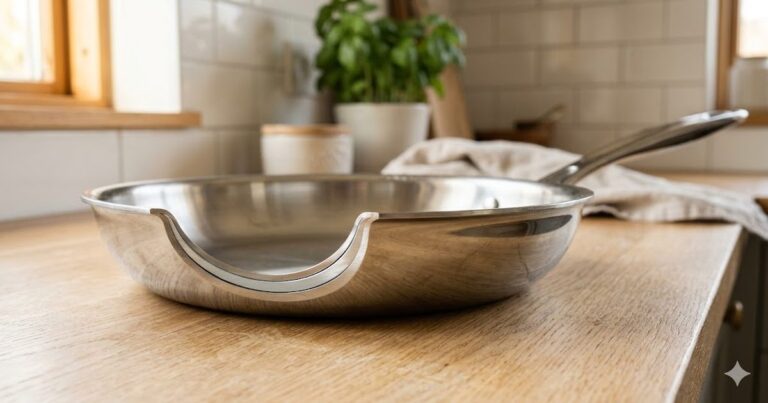
Presto 01362 6-Quart Stainless Steel — Best Budget Stovetop
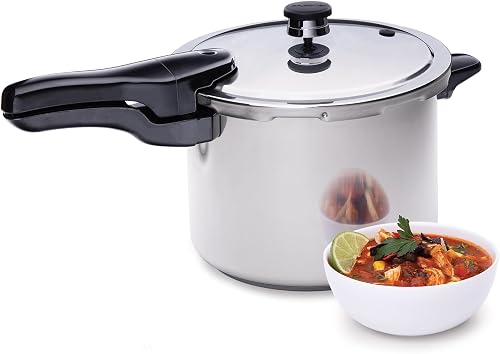
This is the pot that makes the speed argument for stovetop cooking. It reaches pressure in about five minutes on a hot burner, browns meat properly because it’s sitting on an actual flame, and then goes back to being a normal 6-quart stockpot when the lid comes off. The tri-clad base means it works on induction as well as gas and electric, and it holds a true 15 PSI — the pressure most American recipes were written for, and something a fair number of electric cookers don’t quite reach. It carries a 4.5-star average across more than 15,000 ratings, which for a design this old is its own kind of endorsement.
For a beginner willing to stand nearby, it’s also the cheapest honest path into pressure cooking, and there’s no control board to die in year four. Replacement gaskets cost a few dollars and take ten seconds to swap.
The honest con: you have to manage the burner. Getting the heat low enough to hold pressure without dropping out of it takes a few dinners of trial and error, and there’s no timer, no beep, and nobody keeping your food warm if you walk away. That learning curve is exactly the thing an electric model exists to eliminate.
T-fal Clipso 6.3 Quart — Easiest Stovetop Lid

The thing that trips up new stovetop users isn’t pressure — it’s lining up a bayonet lid and twisting it into place while the pot is hot. The Clipso solves that with a single-handle mechanism: set the lid on, push the handle down, and it locks. Lift the handle, it releases. Reviewers who specifically avoid twist-lock stovetop lids call this one out as the exception they don’t mind using, which is the clearest praise pattern in its review base. It’s stainless with an induction-compatible base, the pressure valve is adjustable rather than one-speed, and it ships with a steam basket and a recipe book aimed squarely at first-timers. At 4.6 stars across roughly 6,000 ratings, the enthusiasm holds up.
The honest con: the clever lid has more moving parts than the Presto’s, and they need to stay clean to keep working smoothly — food residue in the mechanism is the most common complaint. It’s also a bulkier shape to store, since the handle doesn’t tuck in.
Fissler Vitavit Premium 8.5 Quart — Best Buy-It-For-Life Pick

If you already know you’re going to be a pressure-cooking household, this is the pot that ends the conversation. The Fissler’s calling card is a visual indicator rod that rises through two marked settings, so instead of guessing from the sound of the steam you can see exactly where you are and adjust the burner to keep the mark steady. That single feature turns the stovetop learning curve from trial and error into something closer to reading a gauge. The German-made stainless body is heavy enough to resist scorching a long braise, and the steamer insert is included rather than an accessory you buy later.
At 8.5 quarts, it’s also the only pot here I’d use for a big pot of stock or a doubled batch of chili without bumping the fill line.
The honest con: the price is in a different category from everything else in this guide, and 8.5 quarts is a lot of pot for someone cooking for two — a half-empty pressure cooker wastes energy and time coming up to pressure. Replacement gaskets and valve parts also cost meaningfully more than the Presto’s. This is a second pressure cooker for most people, not a first one.
Quick comparison
| Model | Type | Size | Best for | Main drawback |
|---|---|---|---|---|
| Instant Pot Duo 7-in-1 | Electric | 6 qt | Most beginners | Weak sauté; no lid rest |
| Instant Pot Pro 10-in-1 | Electric | 6 qt | Nervous venters, daily use | Price premium; control board reports |
| Instant Pot Duo Mini | Electric | 3 qt | One or two people | Too small for batch cooking |
| Presto 01362 | Stovetop | 6 qt | Speed on a budget | You manage the burner |
| T-fal Clipso | Stovetop | 6.3 qt | Easiest lid to handle | More parts to keep clean |
| Fissler Vitavit Premium | Stovetop | 8.5 qt | Buy-it-for-life, big batches | Expensive; oversized for two |
Your first three meals: a one-week on-ramp
The fastest way to get comfortable is to cook three specific things in your first week, in this order. Each one teaches a different mechanic, and none of them punishes you for getting it slightly wrong.
- Plain rice or steel-cut oats. Boring on purpose. Almost no ingredients, a short cook time, and the point is simply to watch the whole cycle happen once — the seal, the ramp-up, the countdown, the release — with nothing expensive at stake. (If rice is most of what you’re after, a dedicated rice cooker under $80 will actually beat your multicooker’s rice setting on texture.)
- Dried beans, no soak. This is where a pressure cooker earns its counter space and where you learn the natural release. Beans foam, so you’ll fill the pot only halfway and let the pressure come down on its own instead of flipping the valve. Do this once and the half-full rule stops being an abstraction.
- A braise — chuck roast, chicken thighs, or chili. Now you sear first, deglaze the bottom properly so nothing is stuck, then pressure cook. Deglazing is the step beginners skip, and it’s the reason an electric cooker throws a burn warning. For a full set of tested recipes to work through next, our weeknight Instant Pot recipes are all beginner-friendly.
Five beginner mistakes that ruin dinner
- Not enough liquid. Pressure cooking needs steam, and steam needs water. Most 6-quart pots want at least a cup of thin liquid; thick sauces alone will scorch. Add the tomato sauce on top without stirring it in and it won’t trigger a burn warning.
- Skipping the deglaze. After searing, pour in a splash of stock and scrape the bottom until it’s smooth. Fond stuck to the base is the number one cause of a burn error and a scorched-tasting braise.
- Quick-releasing foamy food. Beans, grains, pasta, and anything starchy will spit through the valve. Let those come down naturally.
- Reading cook time as total time. Add 10 to 15 minutes on the front for an electric model and up to 20 more on the back for a natural release. Plan the meal around the real number, not the recipe headline.
- Never cleaning the lid. The sealing ring holds onto smells, and the float valve and anti-block shield collect food. Pull the ring and rinse the underside of the lid regularly — the same maintenance logic we cover in our kitchen tool care guide.
Frequently asked questions
Is an Instant Pot the same thing as a pressure cooker?
An Instant Pot is an electric pressure cooker that also does several other jobs — slow cooking, rice, sauté, yogurt. So every Instant Pot is a pressure cooker, but plenty of pressure cookers aren’t Instant Pots, including every stovetop model in this guide.
Do stovetop pressure cookers really cook faster than electric?
Yes, mostly on the front end. A stovetop pot reaches pressure in roughly five minutes versus 10 to 15 for an electric model, and many hold a slightly higher pressure, which shortens the cook itself. The trade is that you have to stay nearby and adjust the burner.
What’s the difference between natural release and quick release?
Quick release means opening the valve so steam escapes fast — right for vegetables and seafood you don’t want overcooked. Natural release means letting the pot cool on its own until the float valve drops, which takes 10 to 20 minutes and is required for foamy foods and better for large cuts of meat.
Can I can food in a pressure cooker?
Not for low-acid foods. Safe pressure canning requires a tested pressure canner that maintains and measures a specific pressure over time, and USDA guidance doesn’t cover multicookers or standard pressure cookers for that job. Use a purpose-built canner.
How long does a pressure cooker last?
A stovetop pot is essentially a heavy pan — with a fresh gasket every year or two, it can last decades. An electric model is limited by its control board, and most owners get somewhere between five and ten years of regular use before electronics rather than the pot itself become the problem.
Key takeaways
- Choose electric if you’re short on attention, stovetop if you’re short on time and comfortable at the stove.
- The Instant Pot Duo 6 Qt is the safest first buy for most beginners; the Presto 01362 is the fastest cheap route in.
- Size for the two-thirds fill rule — half-full for beans and grains — not for the number on the box.
- Recipe cook times exclude come-to-pressure and release; budget an extra 20 to 30 minutes on an electric model.
- Modern cookers lock shut under pressure. Overfilling, quick-releasing foam, and a dirty float valve cause nearly every beginner problem.
- A pressure cooker is not a pressure canner.
The bottom line
If you want one pot that removes every chance of getting it wrong, start with the Instant Pot Duo 6 Qt — it’s the model most recipes are written for, and the one I still use on a Tuesday. If you’d rather have speed and a pot that outlives you, the Presto 01362 costs less and cooks faster, provided you’ll stay in the kitchen while it works. Either way, cook the beans in week one. That’s the meal that turns a pressure cooker from an intimidating gadget into the thing you use without thinking about it. For where a pressure cooker fits alongside everything else on the counter, see our guide to the best small kitchen appliances, and our take on which smart kitchen gadgets are worth the markup. If baking is next on your list, our roundup of the best stand mixers under $300 takes the same buyer-review approach to mixers. And if you’re weighing a pressure cooker against its slower cousin, see our slow cookers vs. multi-cookers breakdown.