Wood Chips vs. Pellets vs. Chunks: Which Smoke Source Should You Actually Use?
This post contains affiliate links. As an Amazon Associate, I earn from qualifying purchases at no extra cost to you.
In short: chunks are best for long smokes on a charcoal or offset smoker, chips suit gas grills and shorter cooks (a smoker box is your friend), and pellets only make sense if you own a pellet grill, since that’s the fuel it’s built to feed on. Past that, the wood species you pick matters more than the shape — mild fruitwoods for chicken and fish, stronger hickory or oak for pork and beef.
I get some version of “should I buy chips or chunks” in my inbox almost every week, usually from someone standing in the grilling aisle staring at three bags that all promise “authentic smoky flavor.” Based on buyer reviews across all three formats and how each one actually behaves on different equipment, here’s the real answer — plus which wood to pick once you’ve settled on a form.
What’s the Actual Difference Between Chips, Chunks, and Pellets?
All three come from the same hardwoods — hickory, apple, oak, cherry, mesquite — so the species is doing most of the flavor work. The shape just changes how fast it burns and what equipment can use it.
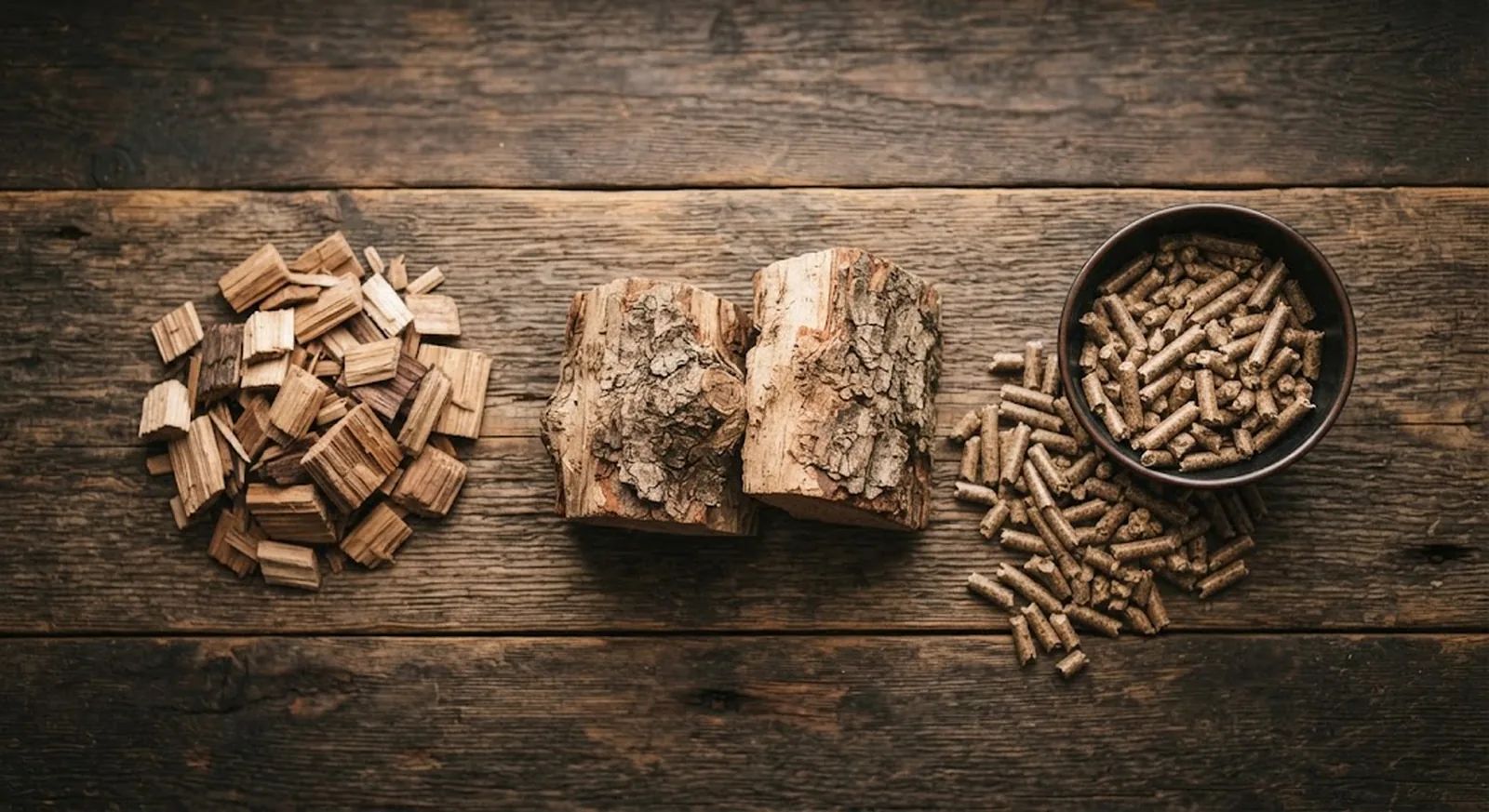
- Wood chips are thin, small pieces (usually under a quarter-inch) that catch fast and burn out in 20–45 minutes. That makes the smoke lighter but also means you’re reloading often on a long cook.
- Wood chunks are fist-sized pieces that smolder for a few hours per chunk. Recurring buyer feedback on chunk listings points to steadier heat and less babysitting than chips, which tracks — bigger mass just burns slower.
- Wood pellets are compressed sawdust, sized and dried specifically to feed through a pellet grill’s auger. They’re not really interchangeable with chips or chunks — most pellet grills are built around that exact fuel format, auger speed included.
One thing worth calling out: a lot of the “chips vs. chunks” content online is published by companies that sell one or the other, which tends to tilt the verdict. The honest answer is that your equipment decides the format for you more than your taste does.
Which Smoke Source Fits Your Grill or Smoker
| Your setup | Best smoke source | Why |
|---|---|---|
| Offset smoker or charcoal grill, long cook (3+ hours) | Chunks | Slow, steady burn — fewer reloads, less temperature swing |
| Gas grill | Chips in a foil pouch or smoker box | Chips catch fast enough to smoke over an open gas flame |
| Pellet grill | Pellets (that brand’s recommended size) | The auger is built for this exact fuel — chips/chunks will jam it |
| Quick weeknight cook (under 1 hour) | Chips | Milder smoke, faster to get going, easy to control |
| All-day brisket or pork shoulder | Chunks | Bigger mass = smoke source that outlasts the cook |
Wood Species by Meat: A Quick Reference
Once you know the form, the species does the rest of the work. This is where most of the actual flavor difference lives, regardless of whether it’s a chip, chunk, or pellet.
- Chicken and poultry: apple, cherry, or maple — mild and slightly sweet so it doesn’t fight the lean meat. Hickory works too but goes bitter fast if you oversmoke a bird.
- Pork (shoulder, ribs): hickory or oak as the base, often blended with apple or cherry. Pork sits on the smoker long enough that you’ll actually taste the wood, so this is a good spot to experiment.
- Brisket and beef: oak or hickory for a stronger, more traditional barbecue flavor. Mesquite burns hot and fast and is easy to overdo — use it in smaller amounts than you’d think.
- Fish and seafood: alder or a very light fruitwood. Fish picks up smoke fast, so this is the one category where “less wood, shorter time” beats going heavy.
If you’re not sure where to start, a pre-blended mix (hickory, cherry, maple, and apple together) is a reasonable default for most proteins — it’s one of the reasons blended pellet and chunk products show up so often in buyer reviews as a “just buy this and stop overthinking it” pick.
My Picks for Each Smoke Source
These are grouped by format rather than ranked against each other, since the right one depends entirely on your equipment.
Best Chunks for Long, Bold Smokes: Western Premium BBQ Hickory Cooking Chunks

Western Premium BBQ Hickory Cooking Chunks come up repeatedly in reviews for charcoal and offset smokers because the chunk size is consistent — no digging through the bag for pieces big enough to last. Verified buyers running all-day briskets and pork shoulders report several hours of steady smoke per load. The genuine con: hickory on its own can read as sharp or slightly bitter if you’re new to smoking, so go light the first time out.
Best Chunks for Poultry and Fish: Western Premium BBQ Apple Cooking Chunks
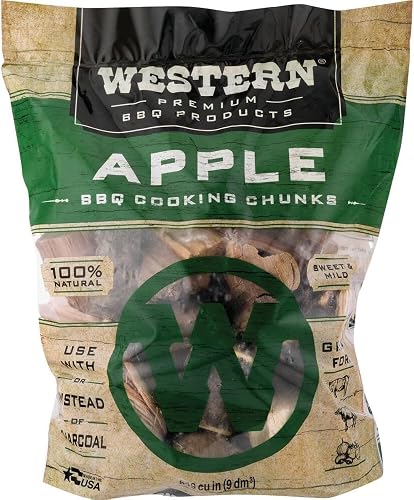
Western Premium BBQ Apple Cooking Chunks are the milder counterpart — buyers smoking chicken, turkey, and pork tenderloin consistently describe the flavor as sweet rather than smoky-sharp, which fits lean or delicate proteins. The con worth knowing: applewood burns a little faster than hickory of the same size, so budget for slightly more per long cook.
Best Chips for Gas Grills: Western Premium BBQ Hickory Smoking Wood Chips

Western Premium BBQ Hickory Smoking Wood Chips (6-pack) are the pick I point gas-grill owners toward most often, since the pre-portioned bags fit a standard smoker box without weighing anything out. Reviewers running these in foil pouches over a gas burner report a noticeable smoke ring without needing a dedicated smoker. The con: because chips burn out fast, you’ll be refilling the box every 30–45 minutes on anything longer than a quick cook.
Best Pellets for Pellet Grills: CookinPellets Perfect Mix

CookinPellets Perfect Mix blends hickory, cherry, maple, and apple into one bag, which is why it shows up so often as the “stop overthinking it” answer in pellet-grill owner reviews — one fuel covers chicken, pork, and beef reasonably well instead of juggling four separate bags. A recurring complaint worth flagging: this blend uses no fillers or oak, so it burns a bit faster than bargain pellet brands that pad with cheaper wood, meaning you’ll go through the 40 lb bag quicker on long cooks.
Do You Need to Soak Wood Chips Before Smoking?
Not really, and it’s one of the more persistent myths in backyard barbecue. Soaked chips mostly produce steam for the first few minutes, not smoke — the water has to boil off before the wood can actually smolder. If you like the slightly slower release soaking gives you, it won’t hurt anything, but dry chips in a smoker box or foil pouch will smoke just as well and start producing flavor sooner. Chunks and pellets should never be soaked; wet chunks smolder unevenly, and wet pellets simply fall apart.
FAQ
Can you use wood chips in a pellet grill?
Not as the primary fuel — pellet grills are built around the auger-fed pellet format. Some owners add a few chips to a side smoker tube for extra flavor, but chips alone won’t run the grill.
What’s the mildest wood for smoking fish?
Alder is the classic choice, with light fruitwoods like apple or peach as a close second. Both add flavor without overpowering a delicate fillet.
Can I mix wood species?
Yes, and most experienced smokers do — a base of oak or hickory with a lighter fruitwood on top is a common combination for pork and brisket.
Key Takeaways
- Chunks win for long cooks on charcoal or offset smokers — fewer reloads, steadier smoke.
- Chips are the right call for gas grills and quick cooks; skip the soaking step.
- Pellets only work in a pellet grill — don’t try to substitute chips or chunks.
- Mild fruitwoods (apple, cherry, maple, alder) suit chicken and fish; hickory and oak suit pork and beef.
- A pre-blended option like CookinPellets Perfect Mix is a safe default if you’d rather not buy four separate bags.
If you’re still shopping for the smoker itself, I break down the best pellet smokers for beginners and, for other fuel types, the best beginner smokers under $300 — both compare real owner feedback across pellet, electric, and offset models. And once the smoker’s sorted, a solid grilling tool set covers everything else you’ll reach for at the smoker.