Best Smokers for Beginners Under $300: 4 Real Picks (Pellet vs. Electric vs. Offset)
Pellet Smoker vs. Electric Smoker vs. Offset Smoker: Which Should a Beginner Buy?
At the same $300 ceiling, these three smoker types don’t compete on the same terms. A pellet smoker burns compressed hardwood pellets fed by an auger, and a controller manages the fire for you — real wood smoke with something close to push-button ease, though at this price the unit itself is smaller than a full-size pellet grill. An electric smoker skips wood entirely and heats with a coil, which is the most forgiving option for a total beginner but trades away some of that deep, wood-fired flavor.
An offset smoker is the traditional route — a firebox off to the side feeds smoke through the main chamber — and it delivers the most authentic flavor of the three, but it also demands the most hands-on fire management.
Neither pellet nor electric asks you to babysit a live fire, which is exactly why I steer most first-timers toward one of those two.
If you’re stuck on the pellet smoker vs electric smoker vs offset smoker question, here’s the short version: pellet and electric both manage temperature for you, so they’re the safer first buy, while offset asks you to learn real fire management before you get consistent results. Owner reviews are consistent on one point worth flagging honestly: most offset smokers under $300 use thinner steel than pricier models, so they lose heat faster and need more attention to hold a steady temperature. That’s not a dealbreaker, but it is a real learning curve most “best smoker under $300” roundups gloss over.
What I Looked For in a Sub-$300 Smoker
I focused on the handful of things that separate a smoker you’ll actually use from one that ends up gathering dust in the garage by September:
- Temperature control, not top-end heat. A unit that holds a steady 225–250°F matters far more than a high maximum temperature you’ll rarely use for low-and-slow cooking.
- Real cooking capacity. Enough grate space for a couple of racks of ribs or a small pork shoulder, without being so large it wastes fuel on a weeknight cook for two.
- Build quality at the price. Thicker steel, a lid that seals, and a grease system that doesn’t clog — the difference between a smoker that lasts five seasons and one that rusts out in one.
- Beginner-friendly controls. A digital readout or simple dial beats a unit with no thermometer at all, especially for a first-timer still learning to read smoke and heat.
- Portability and footprint. A smaller patio or an apartment balcony rules out some of the bigger offset rigs entirely, so measure your space before you fall for a spec sheet.
- What owners actually complain about. I weighted verified buyer reviews heavily here — recurring complaints (leaky lids, unreliable thermometers, flimsy legs) tell you more than a spec sheet ever will.
None of these units will feel like a $1,000 smoker, and that’s fine. The goal at this price is to learn the fundamentals — steady heat, patience, reading your food instead of the clock — on something you won’t feel sick about if a cook goes sideways.
Best Smokers for Beginners Under $300
Here are the best smokers for beginners under $300 I’d actually point a first-timer toward, one per type plus a budget alternative for electric, since it’s the easiest category to get into.
1. Cuisinart 8-in-1 Portable Wood Pellet Grill & Smoker — Best Pellet Pick Under $300

Cuisinart 8-in-1 Portable Wood Pellet Grill and Smoker
This is the pellet pick that actually fits under a $300 ceiling — most full-size pellet grills run well past it. It’s the most compact unit in this roundup, with a footprint built for a patio, balcony, or tailgate rather than a backyard cookout for twelve. You still get real wood-pellet smoke and hands-off temperature management, which is the whole appeal of the pellet category, just scaled down. The “8-in-1” branding is mostly marketing (grill, smoke, bake, roast, braise, BBQ, char-grill, and sear all describe the same barrel doing different jobs), but the core experience — genuine wood smoke without babysitting a fire — is real.
Buyer reviews consistently describe it as a low-risk way to find out whether you even like smoking before spending real money on a bigger rig. If you want more pellet options at a higher price point, I compared five full-size units in my best pellet smokers for beginners guide.
The honest con: the compact hopper and chamber mean shorter unattended cook times and more frequent pellet top-offs than a full-size pellet grill, and the controller isn’t as tightly tuned as pricier PID units — expect slightly wider temperature swings, especially in cold or windy weather.
2. Masterbuilt 30″ Digital Electric Smoker (MB20071117) — Best Electric Pick
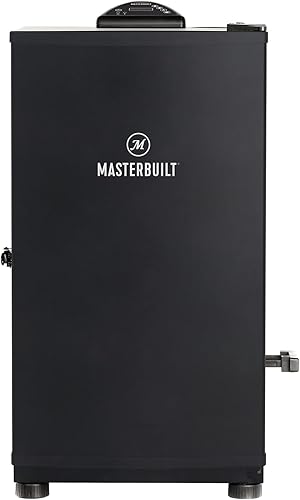
If you want the shortest possible learning curve, this is where I’d start. It’s a digital electric smoker, which means you set a temperature on a control panel and the unit holds it — no fire to manage, no pellets to top off, no vents to fiddle with. The side wood-chip loader lets you add light smoke flavor without opening the main door and losing heat, which is a smart beginner-friendly touch, and the roughly 710 square inches of cooking area across multiple chrome racks is enough for a full holiday spread of ribs, chicken, and sausage at once.
Reviewers who bought this as their first smoker consistently mention how little there was to learn — plug it in, set the dial, add wood chips, and walk away.
The honest con: electric smokers produce noticeably milder smoke flavor than pellet or offset — great for salmon, sausage, and weeknight chicken, but don’t expect the same deep bark on a brisket. You’re also tied to an outdoor outlet, which rules out truly off-grid cooking.
3. Masterbuilt 30″ Analog Electric Smoker (MB20070210) — Best Budget Pick

This is the simplest, cheapest way into smoking I’d recommend without hesitation. It skips the digital display for a straightforward analog dial, which strips out anything that could go wrong electronically and keeps the price down — this is typically the least expensive unit of the four picks here. For someone who just wants to try smoking a rack of ribs this weekend without overthinking the purchase, this is the low-risk entry point — pair it with a meat thermometer from my best BBQ tool sets guide since this unit’s built-in gauge is a rough estimate at best.
The honest con: the analog dial is imprecise compared to a digital readout, so you’re relying more on a separate meat thermometer for accuracy, and the smaller three-rack capacity limits how much you can cook at once compared to the digital model above.
4. Royal Gourmet CC1830S 30″ BBQ Charcoal Grill & Offset Smoker — Best Offset Pick

If real wood-and-charcoal flavor matters more to you than convenience, this is the offset pick that fits the budget. It doubles as a full charcoal grill and an offset smoker, which is genuinely useful if you want one machine that does both jobs rather than buying a grill and a smoker separately. The large barrel — over 800 square inches between the main chamber and firebox — gives you real cooking space for a crowd, with a front table for prep and a side door on the firebox for adding fuel without opening the main lid.
Reviewers who came in with realistic expectations about offset smokers generally report a positive first experience, especially once they’ve got a few cooks of practice managing the fire.
The honest con: this is the one pick in this roundup that asks real effort from you. Like most offset smokers under $300, the steel is thinner than a premium rig, so it loses heat faster in cold or windy weather and needs more frequent attention to hold a steady temperature. Budget for a few frustrating early cooks while you learn to manage the fire — it’s the trade-off for that traditional flavor.
Pellet vs. Electric vs. Offset: Side-by-Side
| Type | Ease of use | Flavor | Hands-on time | Best for |
|---|---|---|---|---|
| Pellet (Cuisinart 8-in-1) | Easy | Real wood smoke, moderate | Low | Testing the waters, small spaces |
| Electric (Masterbuilt digital/analog) | Easiest | Mild smoke | Lowest | True first-timers, salmon/sausage/weeknight cooks |
| Offset (Royal Gourmet CC1830S) | Hardest | Deepest, most traditional | High | Flavor purists willing to learn fire management |
How Much Will You Actually Spend Running Each Type?
The sticker price is only part of the cost. An electric smoker’s ongoing expense is small: a handful of wood chips per cook (a few dollars a bag, lasting many cooks) plus whatever your outdoor outlet adds to your electric bill, which is minor for occasional weekend use. A pellet smoker costs more to feed — expect to burn through 1–3 lbs of pellets per hour depending on temperature and weather, and a 20 lb bag runs roughly $15–25, so a long low-and-slow cook can use half a bag.
An offset smoker run on charcoal and wood chunks tends to land in between, though exact costs vary a lot by region and fuel choice. None of these are expensive hobbies, but if you’re smoking every weekend all summer, pellet will cost you the most to keep fed, and electric the least.
Which Type Actually Fits You?
If you’re not sure you’ll stick with smoking and want the least risky way to find out, get an electric smoker — the Masterbuilt analog if you want the cheapest possible entry, the digital version if you’d rather have a precise readout and more cooking space. If you like the idea of real wood smoke but don’t want to babysit a fire, the Cuisinart pellet pick is the better trade.
And if deep, traditional flavor is the whole point for you and you’re willing to spend a few cooks learning to manage airflow and fuel, the Royal Gourmet offset is worth the extra effort — just go in with realistic expectations about what a sub-$300 offset smoker can and can’t do. There’s no single best beginner smoker for everyone; the right pick depends entirely on how much hands-on effort you actually want on a Saturday afternoon.
Food Safety Basics for Your First Smoke
Low-and-slow cooking means food sits in the temperature danger zone longer than grilling does, so a reliable meat thermometer isn’t optional. Per USDA guidance on safe minimum internal temperatures, poultry needs to reach 165°F, ground meats 160°F, and whole cuts like pork shoulder and brisket are safe at 145°F but are typically taken to 195–205°F for the fall-apart texture people actually want from smoked barbecue. Don’t rely on a smoker’s built-in gauge alone, especially on the analog electric and offset picks above — a separate instant-read or leave-in probe thermometer is the cheapest insurance you can buy for your first cook.
Common First-Timer Mistakes to Avoid
- Skipping the break-in burn. Every smoker in this roundup benefits from an initial high-heat burn before real food touches the grate — it clears manufacturing residue and starts seasoning the interior.
- Chasing temperature swings. Small fluctuations are normal, especially on the offset pick. Constantly adjusting vents or settings in response to every dip usually makes things worse, not better.
- Not accounting for weather. Cold or windy days make every smoker work harder and burn more fuel. Don’t be surprised if a winter cook takes longer or eats through more pellets or charcoal than a summer one.
- Overloading the grate. Cramming too much food in at once blocks airflow and cooks unevenly. Leave space between pieces, especially on the smaller pellet and analog electric units.
- Guessing instead of probing. The built-in thermometers on budget smokers are rarely precise. Trust a separate probe thermometer over the dial on the lid every time.
Beginner Tips for Your First Smoke
- Start simple. Chicken thighs or a small pork shoulder forgive mistakes far better than a first-attempt brisket does.
- Season the unit first. Run the manufacturer’s break-in burn before your first real cook — it clears manufacturing residue and helps the smoker season properly.
- Resist opening the lid. Every peek dumps heat and stretches your cook time, especially on the offset pick where you’re already managing airflow.
- Keep pellets dry. If you go with the pellet pick, damp or low-grade pellets are the top cause of auger jams. Store them sealed, not in the bag they shipped in.
- Log your cooks. Jot down temps, times, and results for your first few smokes — it’s the fastest way to learn your specific unit’s quirks.
Frequently Asked Questions
What’s the best smoker for beginners under $300?
It depends on what you value most. For the easiest possible learning curve, an electric smoker like the Masterbuilt digital or analog pick above is the safest first buy. For real wood flavor without tending a fire, the Cuisinart pellet pick is the better trade. There’s no single best smoker for beginners under $300 that fits everyone — the right answer depends on how much hands-on effort you want.
Is an offset smoker too hard for a first-timer?
Not impossible, but it’s genuinely the steepest learning curve of the three types, especially in a sub-$300 unit with thinner steel. If you’re set on offset, expect a few inconsistent early cooks while you learn to manage the firebox, and budget extra patience for your first month.
Do electric smokers taste as good as pellet or offset?
Not quite — electric smokers produce a milder smoke flavor since they rely on wood chips added in small amounts rather than a continuous wood or pellet burn. They’re excellent for fish, poultry, and sausage, but if deep bark and heavy smoke ring are the goal, pellet or offset will get you closer.
Can I upgrade from one of these later?
Yes, and most beginners do. A sub-$300 unit is a great way to learn the fundamentals — temperature control, fire or pellet management, resisting the urge to open the lid — before spending more on a larger or more advanced smoker. Nothing you learn on a budget unit is wasted.
How long does it take to learn to use a new smoker well?
Most beginners feel comfortable within 3–5 cooks on an electric or pellet unit, since the controller does most of the work. Offset smokers take longer — plan on closer to 8–10 cooks before you can hold a steady temperature without constant adjustment.
Whichever type you land on, the fundamentals matter more than the price tag: keep your temperature steady, trust a real thermometer over the built-in gauge, and start with something forgiving. If you decide pellet is your type and want more options above the $300 line, my best pellet smokers for beginners guide compares five full-size units. And once you’ve got leftovers from that first cook, my guide on how to store leftover BBQ covers exactly how long they’ll keep.