Why Pre-Ground Spices Aren’t Enough (And What Actually Fixes Flat Flavor)
Disclosure: Kitchaneers is reader-supported. If you buy through links on this page, I may earn an affiliate commission at no extra cost to you.
Here’s a quick test: open your spice cabinet and smell the ground cumin. If you have to hold the jar right up to your nose to get anything, that jar has already lost most of what you paid for. Pre-ground spices don’t go dangerous when they fade, they just go quiet, and a lot of home cooks blame their own cooking for flavor that’s actually missing before the pan ever heats up. The real problem is almost always the jar, not the recipe — and the fix is simpler (and cheaper) than most people expect.
In brief: pre-ground spices lose their aromatic oils fast because grinding breaks open the seed or pod and exposes a huge new surface area to air, light, and heat. Ground spices noticeably fade within 6–12 months; the same spice left whole can hold its punch for 2–4 years. Grinding your own, even just before cooking, is the single biggest flavor upgrade available in a home kitchen that costs under $30.
The real reason pre-ground spices fade so fast
Every spice’s flavor lives in its essential oils — the same volatile compounds that make black pepper sharp or cinnamon warm. In a whole seed, pod, or bark, those oils are sealed inside a tough outer structure that barely lets air or moisture through. The moment you grind it, that seal is gone. A whole peppercorn has almost no exposed surface; the same peppercorn ground into powder has thousands of times more surface area touching the air, and oxidation starts working on it immediately.
Light, heat, and humidity speed the same process up. A jar of pre-ground paprika kept next to the stove, where it gets warmed every time you cook, degrades noticeably faster than the same jar stored in a cool, dark drawer. None of this is marketing — it’s basic food chemistry, and it’s why a restaurant that grinds its own spice blends tastes different from one that doesn’t, even when both start with the same supplier.
Why your “fresh” pre-ground spice is already older than you think
There’s a timing problem that makes this worse than most people realize. A pre-ground spice doesn’t start its clock the day you open the jar — it starts the moment it was milled at a processing facility. By the time that jar reaches a grocery shelf, it’s typically already traveled through a harvest season, a processing run, a distribution warehouse, and months of retail shelf time before a single scoop ever touches your food. A jar labeled with a “best by” date two years out can easily be sitting at the store with six to twelve months of that clock already spent. Buy it, and the countdown you think you’re starting actually began long before you got home.
Whole spices dodge almost all of that problem. A whole cumin seed sitting in a warehouse for eight months has barely changed, because its oils are still sealed inside the seed coat. The same eight months would have gutted a pre-ground jar of the same cumin. That’s the hidden reason whole-spice buyers so often describe the flavor as “stronger” the first time they switch — it’s not a better spice, it’s a spice that hasn’t been quietly decaying on a truck and a shelf before it reached the jar.
How long spices actually last, whole vs. ground
These are rough, real-world ranges rather than lab figures, since shelf life depends heavily on storage conditions — but the gap between whole and ground holds across nearly every common spice:
- Black peppercorns: whole, 3–4 years with real punch; ground, 6–12 months before it goes flat.
- Cumin seed: whole, 2–3 years; ground, 6–9 months.
- Coriander seed: whole, 2–3 years; ground, 6–9 months — one of the fastest fades in a spice rack once ground.
- Cinnamon sticks: whole, 3–4 years; ground, 12–18 months, slower to fade than most because of its bark structure.
- Whole nutmeg: whole, 3–4 years (it’s famously potent grated fresh); ground, 6–12 months.
- Mustard seed: whole, 2–3 years; ground (dry mustard powder), 12–18 months.
Ground paprika, ground ginger, and dried herbs like oregano and thyme don’t fit this chart neatly because they’re rarely sold whole in a useful form for home grinding — more on where pre-ground genuinely stays the right call further down.
Myth: “spices don’t really go bad, they just get weaker”
This one is technically true and still misleading. Dried spices are shelf-stable enough that eating a two-year-old jar of pre-ground cumin won’t make you sick — there’s no dangerous bacterial growth to worry about the way there is with raw food. But “safe to eat” and “worth eating” aren’t the same thing. A faded spice doesn’t just taste slightly less strong; past a certain point it tastes like almost nothing, which means your recipe is quietly missing an ingredient every time you cook it. If a dish has tasted flat for months and you’ve assumed it’s your technique, check the spice jar before you blame the recipe.
Myth: “a better spice jar solves the problem”
Good storage slows the clock, but it can’t turn it back, and it can’t stop the surface-area problem that grinding already created. An airtight, opaque jar kept away from the stove will genuinely extend a pre-ground spice’s useful life — our best spice organizers and racks guide covers the drawer inserts and cabinet setups that keep jars out of heat and light. But storage only protects flavor that’s already locked in. If the spice was ground six months ago at a factory, the best jar in the world is just slowing the decline of something that was already fading before it reached your pantry.
Myth: “grinding your own takes too long, and any tool works the same”
Isn’t fresh-grinding too slow for a weeknight?
In practice this adds under a minute to most recipes. Toasting and grinding a tablespoon of cumin seed takes roughly 90 seconds total, most of it hands-off while the seeds toast in a dry pan. Cracking peppercorns in a mortar for a pan sauce takes less time than it takes the pan to come up to temperature. The time cost people imagine — measured against the flavor difference between a dish seasoned with fresh-ground spice and the same dish seasoned with a faded jar — almost never holds up once you’ve actually done it a few times.
Does the grinding tool actually matter?
The tool matters more than people expect. A cheap blade grinder spins fast enough to generate real friction heat, and that heat drives off some of the same volatile oils you’re trying to preserve — you’re losing a bit of what you just released. A dedicated spice grinder designed for small batches avoids this better than repurposing a coffee grinder that’s covered in old coffee oil residue anyway.

Cuisinart SG-10 Electric Spice-and-Nut Grinder
This is the pick for anyone grinding spices daily and not wanting a workout. It’s a dedicated small-batch grinder — a 200-watt motor, a bowl sized for a real recipe’s worth of seeds rather than a whole jar, and a push-top lid that doubles as the on/off switch so there’s no separate button to hunt for. The stainless bowl and lid are dishwasher-safe, which matters because spice residue left in a grinder carries over into the next thing you grind. The genuine con: it’s a dry grinder only — reviewers who’ve tried adding even a little liquid report it leaking from the base, so keep it strictly to whole spices and nuts, not wet pastes.
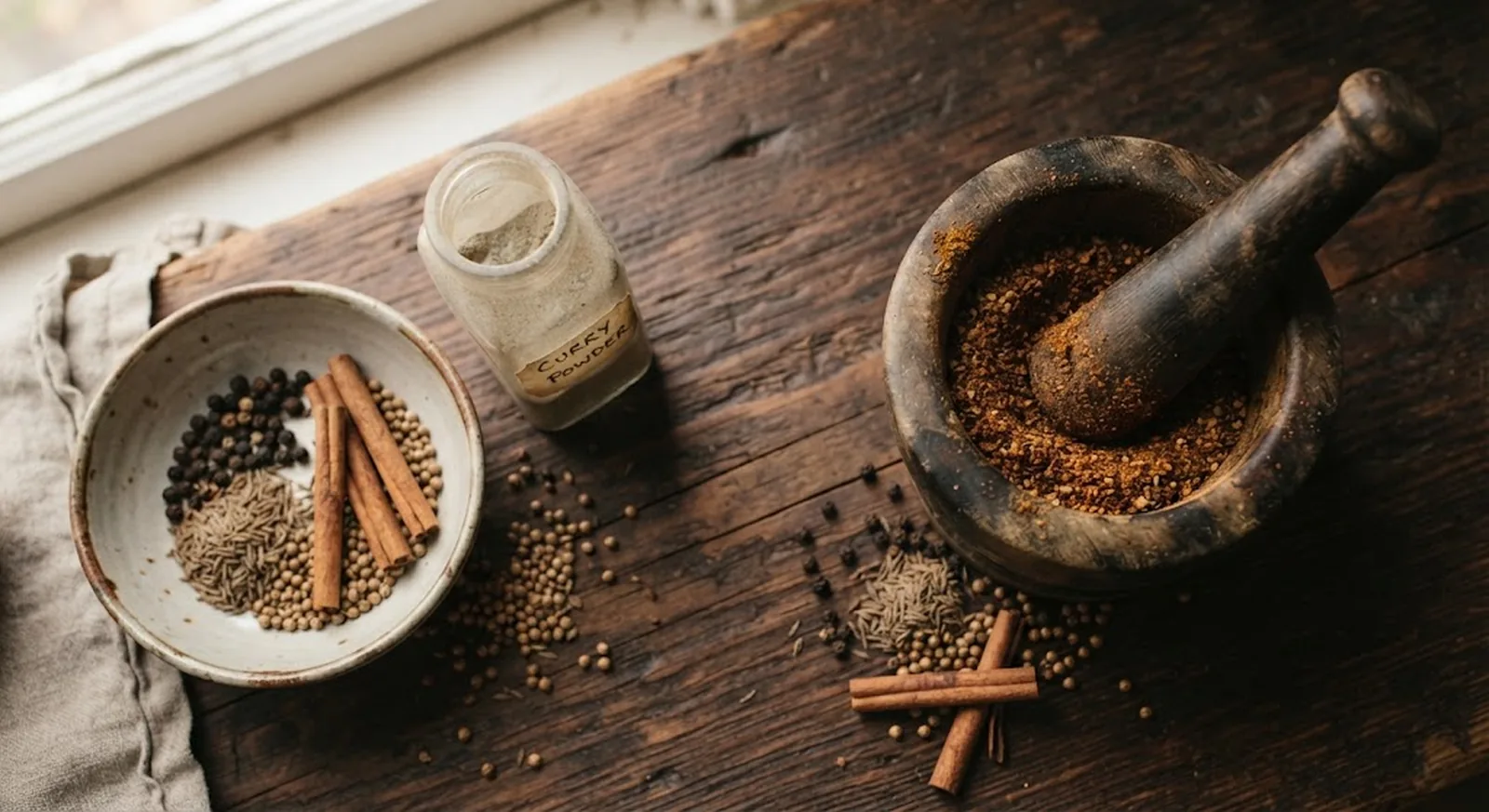
A mortar and pestle solves the heat problem entirely since there’s no motor and no friction beyond what your wrist generates, and it gives you control over texture that a blade can’t — coarse-cracked pepper for a steak crust versus a fine powder for a spice blend. The tradeoff is effort and time per batch, which is why most kitchens end up with both: a mortar for small, texture-sensitive jobs and an electric grinder for bulk.

ChefSofi Granite Mortar and Pestle Set (1.5-Cup)
Unpolished granite on the inside gives this set real grip on whole peppercorns, cumin seed, and coriander instead of letting them skate around the bowl, which is the most common complaint with smooth marble versions. The 1.5-cup size is big enough for a real spice blend without being so large it’s awkward to store. The genuine con: like most natural-stone mortars, it needs a short seasoning process before first use (grinding and discarding a batch of rice removes loose grit), and skipping that step is the single biggest reason new buyers leave disappointed reviews.
Myth: “whole spices are only a thing for peppercorns”
Peppercorns get the attention because pepper mills are everywhere, but the same logic applies to cumin, coriander, fennel, mustard seed, cinnamon stick, and whole nutmeg — all of them hold their flavor far longer whole than ground, and all of them take seconds to grind fresh. Buying pepper whole and everything else pre-ground is a half-measure; the spices that benefit most from grinding fresh are usually the ones that get used heavily in savory cooking, which is exactly where flat flavor is most noticeable.

Badia Whole Black Peppercorns, 16 oz (Pack of 6)
This is the practical starting point if you want to stop buying pre-ground pepper for good — six 16-ounce bags is enough to refill a pepper mill for years, and whole peppercorns stored in a sealed bag barely degrade over that time. Buyers consistently note the berries are uniform in size, which matters for a consistent grind in a mill. The genuine con: six pounds of pepper is a serious bulk buy for a single household, so it only makes sense if you’re also stocking a second mill for the kitchen and one for the table, or splitting it with another cook.
The 3-step fix for flat flavor
- Buy whole wherever you can. Cumin, coriander, fennel, mustard seed, whole peppercorns, cinnamon sticks, and whole nutmeg are all widely sold whole and keep for years instead of months.
- Toast before grinding, for the spices that benefit from it. A dry pan over medium heat for 60–90 seconds, until the seeds smell fragrant, wakes up oils that grinding alone won’t release. This step applies to cumin, coriander, and fennel — not to peppercorns or cinnamon.
- Grind only what you need for that meal. This is the step people skip because it feels inefficient, but it’s the entire point — a spice you grind into a hot pan has had its oils exposed to air for seconds, not months.
Pre-ground spices aren’t being phased out here — they’re being downgraded to backup status for the handful of things worth keeping ground on hand (onion and garlic powder keep reasonably well, and some blends are genuinely impractical to make fresh every time). The shift is in which spices you default to whole, and once a mortar or a small grinder is actually sitting on the counter instead of in a drawer, reaching for it stops feeling like extra work.
When pre-ground still makes sense
Being honest about the exceptions matters more than selling an all-or-nothing upgrade. Ground cinnamon, ground ginger, and paprika are either difficult or impossible to grind at home to the same texture, so pre-ground is the only realistic option for those. Pre-made spice blends — curry powder, taco seasoning, Italian seasoning — are convenience products first, and recreating them from scratch every time isn’t worth it for most home cooks. The rule of thumb: if a spice is sold whole and you use it often, buy it whole. If it’s rarely sold whole or you use it only occasionally, pre-ground is a reasonable compromise, as long as it’s stored well and replaced on a schedule rather than left indefinitely.
Whichever route you go, the spices that do stay pre-ground last longest in an airtight container kept away from the stove and oven — see our best storage jars and canisters guide for options that actually seal, and our pantry organization under $30 roundup if you’re setting up a dedicated spice shelf from scratch.
FAQ
How can I tell if a pre-ground spice has already gone flat?
Rub a small pinch between your fingers and smell it immediately. A fresh spice releases a noticeable scent right away; a faded one smells faint, dusty, or close to nothing. Color is a secondary clue — paprika and chili powder in particular turn dull and brownish-red instead of staying vivid as they age, though color fades more slowly than aroma, so trust your nose first.
Do I need to toast every whole spice before grinding it?
No. Toasting helps cumin, coriander, fennel, and similar seed spices release more aroma, but it isn’t universal — peppercorns, cinnamon, and nutmeg are typically ground raw. When in doubt, a 60-second dry-pan toast over medium heat is low-risk: pull the pan off the heat the moment you can smell the spice, since a few extra seconds can scorch it.
Will switching to whole spices actually change how my food tastes?
For the spices used heavily in savory cooking — cumin, coriander, and black pepper especially — the difference is usually noticeable the first time, not subtle. Those three carry a lot of the backbone flavor in soups, curries, chilis, and spice rubs, so a stronger, fresher version of them changes the whole dish rather than just adding a faint boost.
Key takeaways:
- Pre-ground spices lose their aromatic oils within 6–12 months because grinding exposes a huge new surface area to air, light, and heat.
- Whole spices stored the same way can hold their flavor for 2–4 years.
- A faded spice is safe to eat — it’s just not worth eating, and it’s a common hidden cause of “flat” cooking.
- A better jar slows decline but can’t restore flavor that’s already gone; buying whole and grinding fresh prevents the loss in the first place.
- Toast-and-grind takes under two minutes for most spices and makes a bigger flavor difference than almost any other low-cost kitchen change.
- Not everything needs to switch — ground cinnamon, ginger, paprika, and pre-made blends are reasonable to keep pre-ground.